
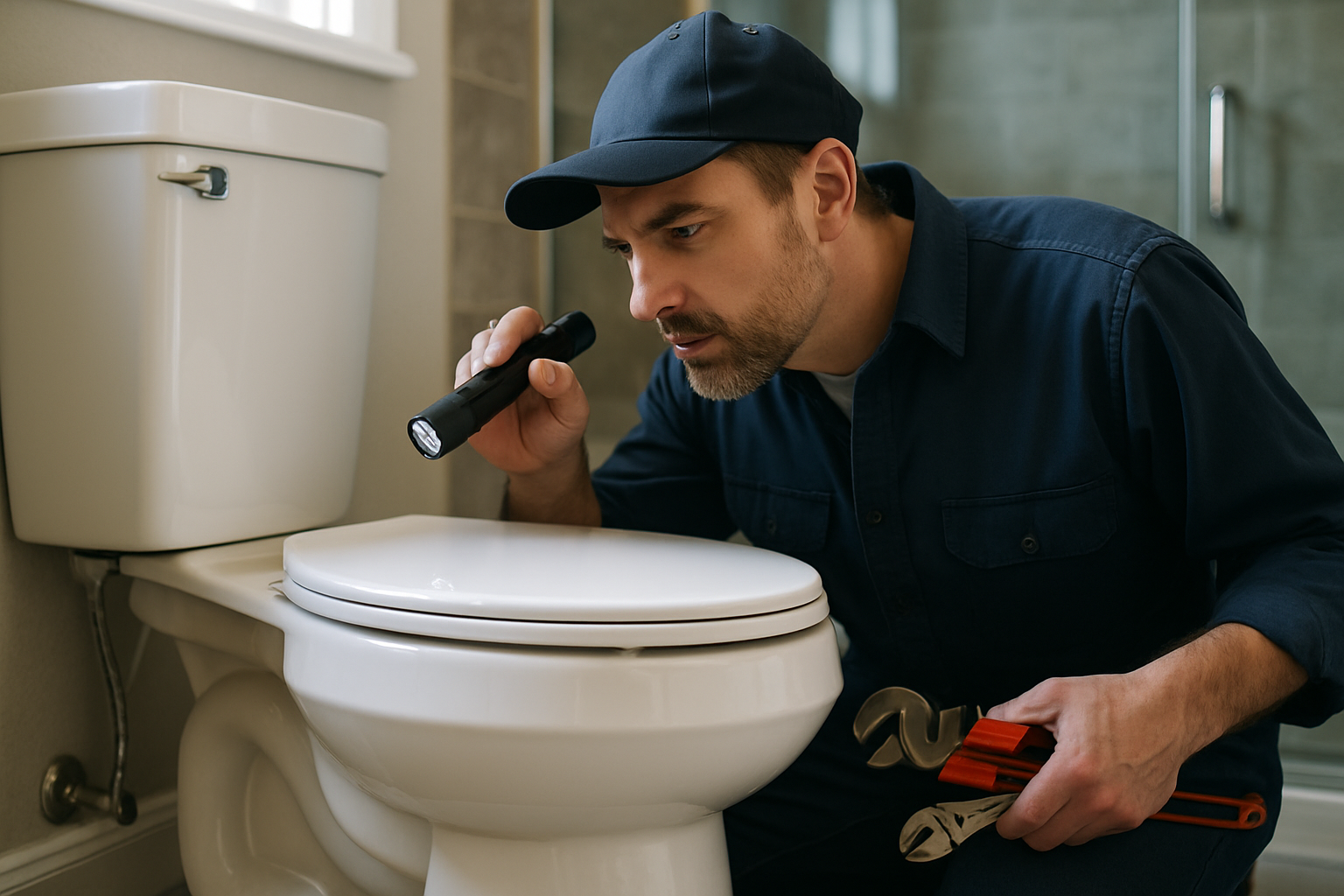
Complete Bathroom Remodeling — Bathroom Pros
Troubleshooting Guide

Complete Bathroom Remodeling Troubleshooting Guide — Bathroom Pros

Welcome to Bathroom Pros' Complete Bathroom Remodeling Troubleshooting Guide for homeowners in Old Bridge, NJ. Remodeling your bathroom can significantly enhance the beauty and functionality of your home, but it can also come with challenges. Whether you're updating your fixtures, retiling, or changing the layout, issues can arise that may leave you feeling overwhelmed. Our comprehensive guide aims to help you identify common problems that can occur during a bathroom remodel and offer solutions to resolve them effectively. As a homeowner, you deserve a bathroom that reflects your style and meets your needs. However, navigating the complexities of a remodel can sometimes lead to unexpected setbacks. From plumbing issues to design miscalculations, understanding the potential troubleshooting steps is vital. Bathroom Pros is committed to assisting you in diagnosing and addressing these challenges, ensuring your renovation project proceeds as smoothly as possible. Let’s delve into the most common symptoms you may encounter and learn how to tackle them head-on.

By Bathroom Pros
8 min read
Expert-reviewed
Having an Emergency?
Don't wait — call us now for 24/7 emergency service in Old Bridge, NJ.
(732) 838-5656
Symptoms & Causes

Identify the Problem

Match your symptoms to the most likely cause. Severity ratings help you decide how urgently to act.

Water leaks around the sink or tub.high
Likely cause: Improper sealing, Damaged plumbing connections, Worn-out fixtures
DIY check: Check all seals and tighten any loose connections; replace worn gaskets.
Tiles cracking or coming loose.medium
Likely cause: Improper installation, Water damage beneath tiles, Poor quality materials
DIY check: Remove cracked tiles, inspect the surface, and reapply tiles with proper adhesive.
Inconsistent water temperature from faucets.high
Likely cause: Faulty mixing valve, Water heater issues, Pipe corrosion
DIY check: Inspect the mixing valve and consider flushing the water heater to remove sediment.
Poor lighting or inadequate electrical outlets.medium
Likely cause: Insufficient planning, Outdated wiring, Neglected electrical codes
DIY check: Consider adding temporary lighting solutions or using extension cords while planning upgrades.
Mold growth in corners or around fixtures.high
Likely cause: High humidity levels, Poor ventilation, Water leaks
DIY check: Improve ventilation by installing exhaust fans and clean mold with a vinegar solution.
Cabinets or fixtures not fitting properly.medium
Likely cause: Measurement errors, Incorrect installation, Misaligned plumbing
DIY check: Double-check all measurements and adjust fixtures as needed; consult installation manuals.
Flooring feels uneven or unstable.high
Likely cause: Subfloor issues, Improper installation, Water damage
DIY check: Check for water intrusion and consider reinforcing the subfloor before reinstalling flooring.
Foul odors emanating from drains.medium
Likely cause: Blocked or damaged drain pipes, Trapped debris, Sewer line issues
DIY check: Clear the drain with a plunger or a plumber's snake; if persistent, consider a professional inspection.
What to Do Next

Step-by-Step Action Plan

Follow these steps before calling a technician — you may be able to resolve the issue yourself.

1

Identify the Issue

Begin by assessing the problem in your bathroom. Take note of specific symptoms like leaks, odors, or uneven surfaces to narrow down potential causes.

2

Gather Tools and Materials

Depending on the issue, you may need tools such as wrenches, screwdrivers, or cleaning supplies. Ensure you have everything on hand before starting your troubleshooting.

3

Check Installation Quality

Review the installation of fixtures, tiles, and plumbing. Look for any visible signs of improper work, such as loose tiles or gaps in seals.

4

Perform Simple Repairs

For minor issues, attempt to fix them yourself using the DIY fixes provided. This could involve tightening fittings, resealing areas, or cleaning drains.

5

Monitor for Recurrence

After making adjustments or repairs, keep an eye on the affected areas. If problems persist, further investigation may be necessary.

6

Consult a Professional

If you’re unable to resolve the issue or if the problem is severe, contact Bathroom Pros in Old Bridge, NJ, to schedule a professional assessment.

Pro Tip
Always turn off power to the unit at the breaker before inspecting any components. Safety first — even for simple checks.
When to Call a Professional

Don't DIY These Situations

Some repairs require a licensed technician for safety, code compliance, and warranty protection.

Professional Assessment Required

Persistent leaks that could indicate deeper plumbing issues needing specialized tools.

Professional Assessment Required

Structural damage requiring expertise, such as subfloor replacement or wall adjustments.

Professional Assessment Required

Electrical or lighting problems that do not comply with local codes and require a licensed electrician.

Professional Assessment Required

Significant mold growth that necessitates professional remediation to ensure health safety.

Professional Assessment Required

Complex design changes that impact plumbing and layout, requiring professional planning and execution.

Common Questions
What should I do if I notice water pooling on the floor?
If you notice water pooling on the floor, it’s crucial to act quickly. First, identify the source of the water, which could be a leak from a fixture, the tub, or a pipe. If you suspect a leak, turn off the water supply immediately to prevent further water damage. Dry the area thoroughly and check the seals around fixtures. If the issue persists, it’s advisable to contact Bathroom Pros in Old Bridge for a professional inspection to address any underlying plumbing problems.
How can I tell if my tiles were installed correctly?
To determine if your tiles were installed correctly, inspect for even spacing and alignment. Tiles should be flush with each other, and there should be no visible gaps or cracks. You can also tap on tiles lightly to check for hollow sounds, which may indicate improper adhesion. If you observe any issues, consult with Bathroom Pros to evaluate the installation and recommend necessary corrections.
What causes mold growth in a newly remodeled bathroom?
Mold growth in a newly remodeled bathroom is often caused by high humidity levels combined with inadequate ventilation. If your bathroom lacks proper airflow, moisture can accumulate and create an environment conducive to mold. Other factors include water leaks from plumbing fixtures and poor sealing around tubs and sinks. To combat mold, ensure your bathroom is well-ventilated and consider using dehumidifiers in humid conditions.
Is it normal to have some dust and debris during remodeling?
Yes, it is entirely normal to experience dust and debris during a bathroom remodeling project. The process involves demolition, cutting materials, and installing new fixtures, all of which can create mess. However, professional contractors like Bathroom Pros will implement measures to minimize dust spread and clean up regularly. It’s a good idea to discuss cleanup protocols with your contractor before starting the project.
Related Services

We Can Fix It For You

Our licensed team serves Old Bridge, NJ and surrounding areas — same-day service available.

Problem Solved — Or Need a Pro?

Our licensed team serves Old Bridge, NJ and surrounding areas. Get a free diagnosis — no obligation.